


This guide outlines the September 11th Victim Compensation Fund and how it operates for those in first responder careers, s.
Fundraising ideas for schools and nonprofits
Most people would agree that being a police officer is not an easy job. Some of the country seems to despise the police, and it’s hard not to question some of their actions. Many news reports from around the country show them using excessive force to quell Black Lives Matter protests.
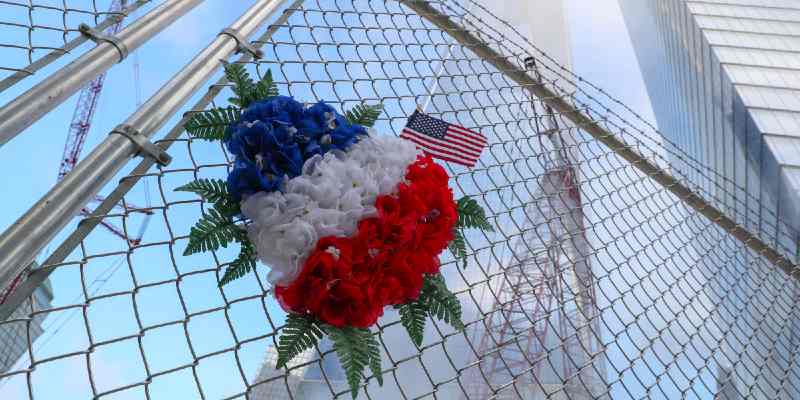
However, you can’t deny that for every cop who uses unnecessary force, like what happened with George Floyd, others put their bodies and lives on the line to protect the greater good. Think about all those who rushed to help when the Towers fell on 9/11.
It is these individuals who we’re going to focus on today. Almost twenty years later, some of them are grappling with cancer and other medical conditions.
9/11 Police Officer Actions
Many first responders rushed into action on 9/11, never thinking of themselves. Cops were among the heroes who took part that day, but also firefighters, construction workers, paramedics, and other medical staff.
Now, years later, lawyers must often fight for these brave individuals. They know that some of the police officers have contracted:
- Lung cancer
- Colorectal cancer
- Asthma or emphysema
These usually come from inhaling the dust cloud that rose from the wreckage right after the attacks. This dust contained more than 2,500 known carcinogens, including asbestos, lead, and glass.
The police officers and other first responders didn’t often think to cover their noses and mouths, and they breathed in this poisonous particulate matter. They weren’t the only ones, either.
Transit workers in the area inhaled it, as did neighborhood residents. Store owners and employees who returned to work shortly after the attack breathed it in as well, and now some of them have contracted cancer, or must deal with other illnesses.
The Victim Compensation Fund
The 9/11 Victim Compensation Fund is there to help individuals like:
- Firefighters
- Police officers
- Medical personnel
Essentially, anyone who helped with the rescue and cleanup effort might apply for aid. You can also apply if you lived or worked in the area at that time.
The US government has permanently put up the money to cover these claims, which is as it should be. Police officers and other first responders should know that if they have cancer now, or other ailments, the United States will watch out for them.
We shouldn’t try to stick them with the medical bills for their conditions if they acted so selflessly. This applies to anyone who was there and tried to assist those buried beneath the rubble.
Proving Police Officer or First Responder Involvement
Part of what’s challenging for some of these police officers and other 9/11 first responders, though, is proving they were there and took part in the cleanup and rescue efforts.
Let’s say that you have a police officer whose superior told them to go and help that day. There should be documentation of that order, even after so many years have passed.
However, there are also police officers who came from out of state to help. Maybe they came from precincts around the city, and no one specifically ordered them to do it.
It can be a challenge for these individuals to prove they were there and took part. They might need to rely on things like eyewitness testimony or hospital records. That was a chaotic time, and those eyewitnesses or documents might be difficult to obtain.
Getting the Right Lawyer to Help
Some lawyers deal almost exclusively with trying to get first responder compensation from the fund set up for that purpose. These law offices can often get large cash settlements for police officers whose health is now poor.
One of the things that’s so great about the Victim Compensation Fund is that there is no time limit on when a police officer can apply to it. That means that even if one of them contracts cancer twenty years down the line, or even later, they and their family can get the financial help they need.
Police Officers’ Plight
Returning to what we were discussing earlier, it’s hard for some people to differentiate between the police officers who acted so selflessly on 9/11 and those using excessive force today.
While just about anyone would agree that the police who acted bravely on 9/11 deserve our help, it’s hard to see some officers in the street, swinging nightsticks at defenseless protestors and shooting them with rubber bullets.
Some officers feel that no one understands how difficult their jobs are, and they may have a point. That still doesn’t justify some of their behavior, nor does it excuse other officers who go along with it.
It’s critical to remember that we cannot view the police as a single, monolithic entity. Good and bad police officers exist. Some demonstrate kindness and humanity every day, while others abuse their power.
9/11 is a painful American memory for everyone who was alive when it occurred. However, many swell with pride when they think about police officers and other first responders who rushed forward. They’ll never forget firefighters hoisting the American flag at Ground Zero so soon after the Towers came down.
Now, nearly twenty years after 9/11, America is in pain again. It’s unthinkable that some police officers could act so callously, dishonoring the members of their profession who responded so bravely during the terrorist attack that united all of us.
9/11 was America under attack from a foreign threat. What’s happening currently, with the Black Lives Matter movement, is the country at war with itself. The danger is internal rather than external.
As citizens, we have to understand and recognize that we need change. But even though we do, we can’t discount the many good police officers who act professionally, rationally, and bravely every day.
Hopefully, we can keep the officers who do their jobs, just as we remember and appreciate those who rushed in when the Towers fell. At the same time, we can get rid of all the ones who dishonor the badge.
