




Pain in the mouth and blood on the toothbrush are clear alarm signals for gingivitis. Act quickly here. How can you fix gingivitis? Our guide outlines ways and home remedies to treat and prevent gingivitis naturally
Inflammation of the gums is mostly caused by bacteria and is often the result of poor oral hygiene. If the gums are red and swollen, there is a need for action. But not everyone has symptoms of gingivitis. Inflamed gums also often go unnoticed over a long period of time. However, this can have fatal consequences. In the worst case, there is even a risk of tooth loss! Therefore, you should act immediately on the first signs of gum inflammation.
In the following, we present home remedies to treat and prevent gingivitis naturally. In addition, we will tell you what is important when it comes to dental hygiene.
How to treat inflamed gums quickly
Typical symptoms of gingivitis
Inflammation of the gums does not cause pain at first. This allows the gingivitis to be overlooked over a longer period of time. If you also pay attention to the condition of the gums during dental care, you will not be able to overlook the typical signs:
- Redness of the gums
- Swelling of the gums
- Bleeding gums
- Pain when brushing teeth
- halitosis
Medically, a distinction is made between acute and chronic gum inflammation. Acute inflammation usually occurs spontaneously on the gum line and is usually painless. About three quarters of all adults even suffer from such an acute gum infection without knowing about it. However, you need to treat and prevent gingivitis naturally very quickly. If the inflammation persists for more than seven days, it is called a chronic course of the disease. If left untreated, the inflammation can spread to the tooth holder and, in severe cases, result in tooth loss.
Home remedies to treat and prevent gingivitis naturally

1.Gargle solutions:
Most home remedies for gum inflammation are gargle solutions, which should be left in the mouth for a longer period of time and, with their anti-inflammatory and disinfectant properties, let the inflammation subside. Chamomile or sage tea has proven itself here. Extracts from thyme and myrrh also have an effect.
2.Apple cider vinegar:
Apple cider vinegar stimulates salivation and has an antibacterial and anti-inflammatory effect. So you can also use it against gingivitis. Simply add two tablespoons of apple cider vinegar to a glass of water and rinse your mouth thoroughly.
Important:
After the treatment with apple cider vinegar, you should wait at least half an hour with the usual tooth cleaning. The body needs this period of time to restore the mineralization of the tooth enamel.
3.Salt:
If the gum infection is painful, a saline solution can help. To do this, dissolve two teaspoons of salt in warm water. This mouthwash has an antibacterial effect and promotes salivation, which is a natural protection against caries.
Tip:
A mouthwash with a saline solution also helps against toothache.
4.Garlic:
The healing properties of garlic have been known for centuries. For example, it has an antibacterial and anti-inflammatory effect. Simply crush a clove of garlic with a knife and put the garlic porridge on the inflammation. You shouldn’t be put off by an initial burn. Rinse your mouth thoroughly after a few minutes.
5.Turmeric:
The curcumin it contains is primarily responsible for the effects of turmeric. The substance acts equally against bacteria, viruses and fungi. Simply make a paste out of a teaspoon of turmeric powder and some water. Then apply this to the inflamed area with a cotton swab. After about four minutes, remove the turmeric paste and rinse your mouth thoroughly.
By the way: turmeric paste does not stain the teeth, but makes them even whiter.
6.Honey:
Honey is valued for its anti-inflammatory and antibacterial properties. You should always use good quality organic honey to treat gingivitis. The best experiences have been made with cold centrifuged honey, for example. For example, Manuka honey works reliably and can be used as a versatile remedy.
You must also apply the honey with a cotton swab and remove it after a few minutes. This gentle method can quickly relieve acute gum infections and can be used several times a day without hesitation.
7.Spices:
Some spices, which we know from the Christmas bakery, also help with acute inflammation of the gums due to the essential oils they contain. For example, you can make a tea from a teaspoon of cinnamon powder and water. Then use the cooled tea as a mouthwash.
Cloves are well known as home remedies for toothache. Painful gum infections can also be treated with it. All you need to do is bite a carnation. Intensive aromas are then released. Then leave the carnation in the mouth and let it work on the inflamed gums. You don’t have to rinse your mouth afterwards.
8.Herbs:
Many herbs have anti-inflammatory properties, act against bacteria and relieve pain. Solutions and tinctures made from the following herbs are suitable for the treatment of gum infections:
- peppermint
- lavender
- marigold
- lady’s mantle
- daisy
- ground ivy
To intensify the effect, you can also make an alcohol extract. In principle, it is always advisable to have dried herbs in the house in order to be able to quickly tackle the painful gingivitis. Attention: The home remedies described can support the treatment of gum infections, but often do not replace a visit to the dentist. If the inflammation does not subside after a few days, it is advisable to see a dentist. He will then examine the gums more closely and prescribe appropriate medication.
You prevent with perfect oral hygiene
❖ Step 1:
Daily dental hygiene is the best weapon against inflamed gums. It is therefore important to regularly remove all bacterial deposits from the teeth so that they do not become deposited and harden. Therefore, you should brush your teeth thoroughly at least twice a day. You shouldn’t forget tooth surfaces. If you remove the plaque thoroughly, acute gingivitis can heal quickly.
Tip:
Use a toothbrush with soft bristles to avoid irritating and injuring the gums.
❖ Step 2:
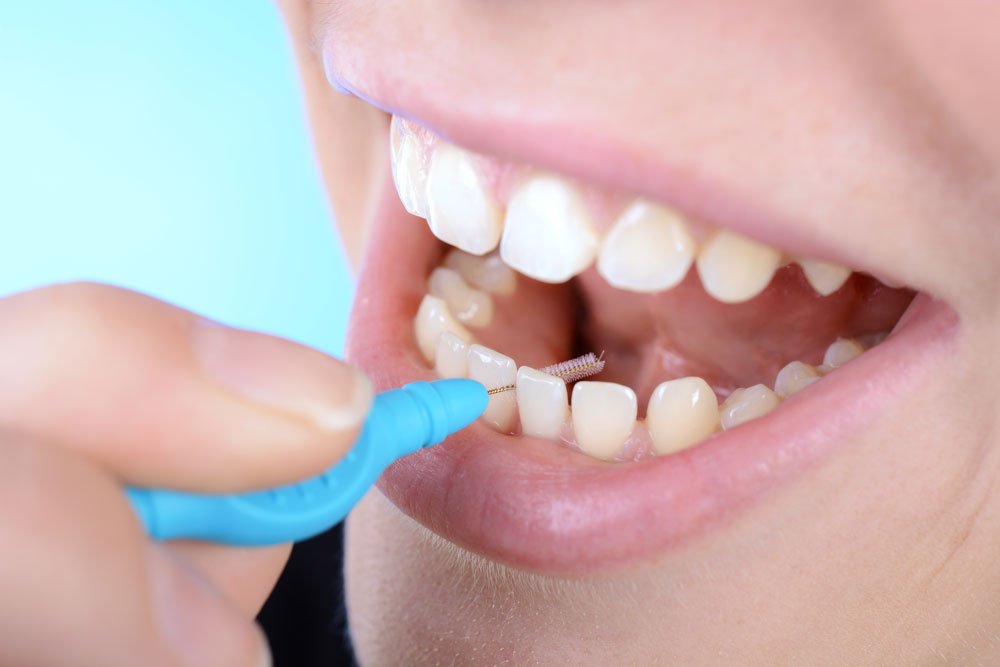
Do not forget to clean the interdental spaces when cleaning teeth. Dealing with dental floss or interdental brushes should definitely become a habit. With conventional toothbrushes, food residues from the interdental spaces are ultimately difficult to remove. The problem: This is often the cause of gum infections.
❖ Step 3:
After tooth cleaning, an antibacterial mouthwash solution can complete the dental care. For chronic inflammation, solutions based on hydrogen peroxide are a good choice. The dentist can prescribe this. If the pain and bleeding persist, don’t hesitate to consult Dr Nathan Tanner in Medford, a reputable dentist that can help you with gingivitis.
Tip:
You should have professional teeth cleaning done at least once a year. With their appliances, the dentists can also reach places that are often forgotten with the toothbrush. The good thing: The health insurers subsidize the intervention.
