




What are the best ways to improve your career? Our guide outlines the 3 key strategies that will work no matter what field you are in.
Find more career guides, tips and advice
The world is changing rapidly today, and the approach to career-building is not what we used to have. And yet, some candidates still consider a job search nothing but a technical process: they believe it’s enough to write a resume, send it to as many companies as possible, and come to an interview to get hired.
Wrong.
This approach doesn’t work anymore. Your higher education diploma or skills you’ve got at former workplaces are not enough to win the battle for professionalism. Career success is about the close interaction of hard and soft skills, as well as the synergy of knowledge from different fields. It’s about lifelong learning and personal development.
But besides continuous training for new skills and habits acquirement, there are three things you’ll need:• Motivation• Competition• Networking
The chances are that you’ve heard of these factors and their significance already. However, their role changes and takes on a new meaning in 2020. Yesterday students who struggle with time management and employees who relax after a successful job interview, it’s time to take a new look at your career path.
Motivation: how it can improve your career
You know that people need it to learn something, grow their professional skills, do what they need to do, and, after all, be happy. And that is why they all look for a kind of magic button to push and become motivated. It doesn’t work that way.
Understand how motivation works
Do tons of motivational posters on your wall help you get off a chair and start acting? And what about motivational quotes you read every day? Do they help to get the job of your dreams or reach a goal you set last year? Not quite, right?
That’s because motivation comes in waves. One day you wake up inspired and ready to take on the world. You decide to start a new project, develop a business, win a mountain top, make money travelling, or finally get that damned driving license.
But then, a new day comes. You wake up and… nothing. You don’t want anything. You take a cup of coffee, stay in bed, and scroll your Facebook feed or watch Netflix for hours.
Why? Because there’s no such thing as motivation alone. If you sit and wait for motivation to come, you’ll fail. What you need to do instead is set up systems with clear goals.
Set SMART goals
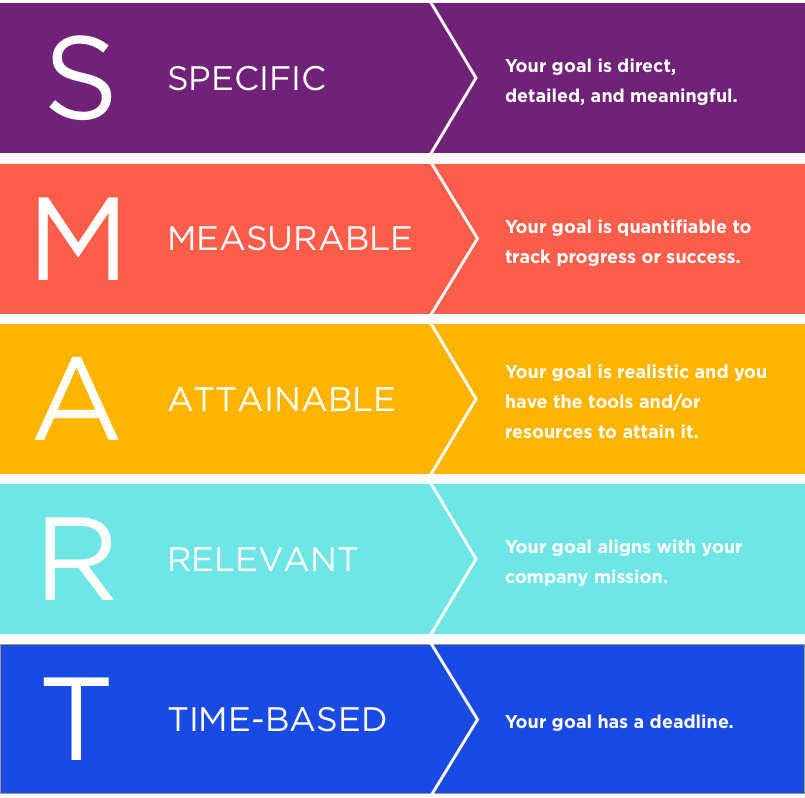
Define what it means for you to succeed in career; therefore, you’ll understand what actions and steps to take for that. Fear of failure, desire to earn more, or fear to miss deadlines and get a boss angry are all about your extrinsic motivation. It won’t help you succeed. What you need is intrinsic motivation — your engagement with work and your interest in overall project success.
Intrinsic motivation is what helps you stay interested in work and self-growth even if you don’t get money for that. And SMART goals are what helps you understand why you keep on working and why you want to succeed.
Studies prove: we need goals to not only keep on acting but also feel proud and happy about what we do. And once you feel proud of your work, motivation won’t take long in coming.Re-frame your mindset
Professor of Psychology at Stanford University Carol Dweck insists that our motivation and desire to grow depends on what type of mindset we have. In her book Mindset: The New Psychology of Success, she describes how conscious and unconscious thoughts affect us and our ability to improve.
Carol speaks about two mindsets:
• Fixed mindset, when a person believes their intelligence is static.
• Growth mindset, when a person believes their intelligence and skills can be developed.
Depending on what mindset you have, it will impact your self-regulation, achievements, and interpersonal processes. This research by Dr. Dweck and her colleagues isn’t new, but it has changed the approach to education and overall success back then.
Those with fixed mindsets avoid challenges, give up easily, try to ignore negative feedback, and feel threatened by the success of others. As a result, they achieve less than they could. By contrast, those with growth mindsets embrace challenges and learn from criticism to become more professional. They find inspiration in the success of others, they are open to new things, and as a result, they reach higher levels of achievement.
Competition
It’s still debatable whether competition helps or hurts your career. Some specialists believe that it can grow a toxic environment in organizations. However, when done right and played fair, it helps you grow.It boosts creative thinking
Understanding that someone can overtake you at any turn, you become more self-demanding and start thinking of alternative ways to improve your skills.
Greg Clydesdale analyzed this phenomenon back in 2006, representing the enormous success of The Beatles as the result of constant competition between Lennon and McCartney. They were two dominant forces in one team, encouraging the band to come up with more and more creative decisions to sound better for even higher heights to improve your career. It makes you more productive
As Jason Corsello and Dylan Minor nailed in their article at HBR, everything you need to do for better productivity at work is to sit next to someone productive. That’s how competition work: looking at someone successful and efficient, you’ll strive for better personal results.
So when you pair with people who have strengths that are opposite to yours, it can encourage you to improve own skills and productivity. But, at the same time, make sure you separate yourself from toxic coworkers demotivating you or influencing your workflow negatively.
Networking
Okay, you know that networking is about getting new business clients, building your status, and increasing your confidence and interpersonal skills. But what about networking as a strategy to build a career? Can it help you here?
Yes, it can. Make sure you understand all the ways proper networking can be beneficial to your career.
It just happens so that people define themselves by belonging to a particular group. It’s our psychology and human nature. For example, you’ve launched a blog this year: so you define yourself as a blogger now. Or, you’ve joined the marketing department in a company, and you are responsible for a market segmentation or link building now: so you identify yourself as a marketer.
In other words, it’s a community around us that helps to define ourselves as professionals of this or that sphere. Understanding who you are and knowing that you are not alone, you become more self-confident, creating and growing your professional self this way. Your network aka the surrounding community fuels your self-identification and confidence. It gives you the motivation to grow and helps to set goals on your way to success.
Networking gives you new business ideas
Communicating with people that work in different fields, you can get new perspectives and ideas on how to build your career or find alternative approaches to it. It’s not about plagiarizing business ideas or plans from others; it’s about inspiration and motivation for self-development others can give you, that will spark you to improve your career.
The point is to build trustworthy relationships and a supportive network that can help you throughout your career. People from your network can assist you or give you advice about any particular problem at work or your professional growth. You may find a mentor in your network, who will inspire you to a new career move or assist with your next project planning or implementing.
Conclusion
These days, a career is not about hard skills and working 9-to-5. It’s about emotional intelligence, communication, and learning all the time to improve your career. The world changes, and we all need to keep pace with it if we want to succeed in work and life.
