
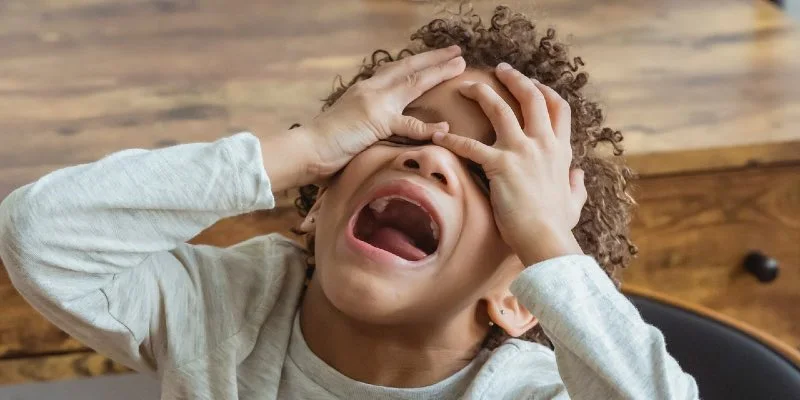



This guide outlines child anxiety treatment strategies you can use at home to help your child over their anxiety.
One of the most significant issues in modern mental health is anxiety in children. By the time they reach puberty, 1 in 5 kids will have some form of clinical-level anxiety. Anxiety is a type of fear and frustration that is accompanied by a variety of physical, mental, and emotional symptoms.
Every child and adolescent experiences worry from time to time, and this is a normal stage of development. Kids may get more anxious at specific times, including on the first week of school or just before an exam, but they will eventually be able to stay calm and feel much better.
When a young person feels trapped in their anxiety or when it becomes an overwhelming, upsetting, or uncontrollable experience, their anxiety may become a problem.
Most children will not experience these emotions of anxiety for very long, but others may – especially if those youngsters don’t seek care. For this, it’s important to know grounding techniques for anxiety. As kids become older, anxiety in childhood might get worse. If anxiety is not addressed, it can harm one’s mental and emotional well-being.
4 child anxiety treatment strategies
Here are four child anxiety treatment strategies you can implement to support your child with anxiety
Don’t Remove The Obstacle, Teach Them To Tackle It
Although no one likes to see a child in pain, attempting to shield children from the stresses that cause anxiety is not the best course of action. Aim to teach children how to manage their anxiety and carry on as normally as possible even when they are feeling nervous. And as a result of this child anxiety treatment strategiy, the worry will gradually get better as they teach themselves how they cope.
If you take away the worries that make your child anxious, they might never learn to handle stress on their own and will constantly need assistance. You must assist them in ways in which they can handle their anxiety, like helping them walk through their challenging homework. They will get more courageous, composed, and self-assured so they can handle it on their own as they continue to be challenged.
Validate Their Feelings
It might be tempting to say things like, ” it’s not a big issue,” or “don’t worry about it,” when your child expresses concern about something. You will be alright. Such reactions imply that your child’s feelings are misguided.
Saying something like, “it seems like you’re feeling pretty scared right now,” or “I would be a bit scared too if I had to walk up in front of a huge crowd,” would help to affirm their feelings as the best child anxiety treatment strategy in this case.
After you validate their feeling you can convey your confidence in their ability to accomplish despite their anxiety. Say something along the lines of, “I know you can do this. It’s hard to do scary things like this, but we will get through it together.”
Whatever phrase you choose as part of your child anxiety treatment strategies, make sure it conveys the message that they are capable, and their anxiety will not hold them back.
Describe Your Expectations In A Positive Yet Practical Way
Its important to never ignore or reject their feelings. Emphasize that it’s okay to make mistakes and to feel anxious, but it always going to work out. We learn from our mistakes so it would be wrong to expect perfection from anyone and especially a kid.
The best child anxiety treatment strategy in this situation is to be with them and tell them that it is okay if they are feeling this way and this will pass and you will come even stronger. Motivate them to be brave and improve their confidence so that next time they will feel confident in their own abilities.
“I Am Here, You Are Safe, So Tell Me What Happened”
Whenever your kid feels anxious, tell him that you are with them and they are safe, then ask them what he is worried about. This will help them to open up about his fear and tell him how he is feeling.
Allow your kid to discuss their anxieties without interfering. Some kids require time to organize their thoughts. Don’t try to solve things or provide remedies as part of your child anxiety treatment strategies. When given a specific time, children may respond better: “Let’s speak about your troubles for 10 minutes.”
Final thoughts
When anxiety starts to interfere with a child’s daily life, it becomes a problem. Your child is susceptible to negative thinking, just like adults. These unfavorable thoughts might make them anxious and lower their self-esteem unless you use child anxiety treatment strategies.
All children have times when they are stressed. Sometimes going to school can make them so anxious that they refuse to go to school that day. Even while it’s crucial to comfort a child who is feeling anxious, it’s even more crucial to show them how to treat themselves with respect and compassion.
