



Comprehensive guide on how to treat dry socket outlines symptoms, treatment, natural remedies, prevention and when to see a doctor.
Find more health guides, tips and advice
CONTENTS
What is dry socket?
What are the causes and risk factors for a dry socket?
How do you recognize a dry socket?
How is a dry socket diagnosed?
Common pre-treatment for a dry socket
Natural treatment options for dry socket
Anecdotal remedies
Most common places of occurrence
How to prevent a dry socket
When to see a doctor
Additional tips
References
Dry socket, also called alveolar osteitis, is a painful dental problem that can develop 4 to 5 days after a permanent adult tooth is pulled out.
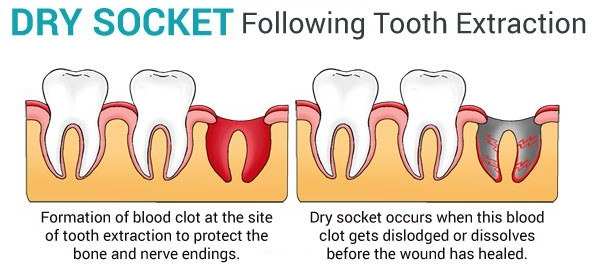
The socket refers to the hole in the alveolar bone that is left after tooth extraction. Once the tooth is removed, a blood clot usually forms in the area to cover and protect the underlying bone and nerve endings. This protective layer allows the wound to heal by shielding it from further injury or irritation. The blood clot also promotes the growth of new bone and fresh soft tissue on the site.
In the event that this protective layer doesn’t develop, develop, or dissolve, nerves and bones in the outlet are exposed to air, food, fluids, and anything that gets into the mouth.
In addition, a person with a dry pedestal may find it impossible to keep his tongue from the mechanical stimulation of the exposed bone, which is acutely painful, resulting in frequent acute pain.
This total or partial loss of blood clot not only delays the healing of the socket, but also causes severe pain in the socket and along the nerves that radiate to the side of your face. The exposed jawbone can become inflamed and the outlet can be filled with leftover food, further exacerbating the pain.
How to treat dry socket: What are the causes and risk factors?
Tooth extraction is a simple process that rarely results in a dry outlet. The formation of a protective blood clot covering the vacated space is the first step in healing the extraction site, in the absence of which the nerve endings, gums, and jawbones underneath remain exposed and susceptible to further damage.
Sometimes the clot may not be able to self-form, or dissolve or dissolve before the wound has healed. There are a number of factors that can deter the timely formation of this protective layer, including:
- Pre-existing bacterial contamination of the socket
- Bone and tissue trauma during tooth extraction
- A small piece of broken bone or sharp edges of the alveolar cavity that remain in the wound after extraction
- Inadequate care after surgery and oral hygiene
Some people are at greater risk of developing a dry socket after a tooth extraction due to certain factors:
- Excessive smoking or the use of related products is an important risk factor. Tobacco contains nicotine, which prevents the blood clot from forming and delays the healing process by reducing the blood supply to the affected area. Even if a clot develops, the act of deep inhalation while sucking on a cigarette can easily loosen the protective covering over the lesion.
- People with dense jawbones are increasingly prone to traumatic extraction and less blood supply, reducing the chances of blood clot formation and timely healing. The jawbone tends to gradually become denser and its blood supply dwindles with age, making people over 30 with affected third molars a high risk category for a dry socket.
- Women are more likely than men to have a dry outlet, which can occur due to certain hormonal factors. The use of oral contraceptives, estrogen replacement therapy, and the normal hormonal changes during menstruation can hinder the healing process and make women more prone to this problem.
- Uncontrolled blood sugar levels in people with diabetes increase the risk of a dry socket, as the excess blood sugar contains more anaerobic bacteria in the bloodstream and therefore also in the socket.
- People who have suffered from a dry base complication in the past are more likely to experience it again.
- An ongoing or previous oral infection like periodontitis or pericoronitis at the extraction site can predispose to a dry socket.
- Using corticosteroids also adds to the risk of a dry outlet.
- If you don’t follow your dentist’s directions for home care after an extraction, the wound will not heal in a timely manner and can even result in a dry outlet. Likewise, in looking at how to treat dry socket, the inability to practice good oral hygiene can increase your chances of developing this complication.
How to treat dry socket: How to recognise the symptoms
The most common signs and symptoms of a dry socket are:
- Pulsating pain that occurs a few days after the extraction.
- The pain tends to radiate from the outlet to the ear, eye, neck, and temple on the same side of the face as the extraction.
- The jawbone can be visible in the socket and is sensitive to touch.
- The soft tissues around the outlet may appear gray and puffy due to poor healing.
- Bad breath and bad taste in the mouth due to the buildup of food particles and bacteria in the socket.
- A partial or total absence of blood clots at the extraction site, making it look like an empty cavity.
- Swollen lymph nodes.
How to treat dry socket: How is it diagnosed?
Tooth extraction is accompanied by a degree of pain that will dissipate over time as the wound heals. However, if you experience severe or worsening pain after surgery, it is necessary to have your socket checked by a dentist or oral surgeon.
The dentist will keep an account of your dental history as well as the symptoms that you may be experiencing. Next, your doctor will clinically examine your electrical outlet to check for a blood clot or if you’ve exposed any bones.
The doctor may also suggest x-rays of your mouth and teeth to eliminate the possibility of other complications, such as a bone infection (osteomyelitis) or small fragments of the bone or roots of the extracted tooth left in the socket after surgery that may be responsible for your pain.
How to treat dry socket: Common pre-treatment
Conventional treatment of a dry outlet depends primarily on pain management; prophylactic antibiotic therapy, prescribed by the dentist on the day of extraction for high-risk patients (uncontrolled diabetics and smokers), can reduce the risk of a dry outlet.
- First, the area is gently watered with chlorhexidine or saline to remove debris that can cause pain or infection.
- The dentist or oral surgeon then packs the surgical site with an absorbable or non-absorbable analgesic bandage to cover the exposed bone.
- The doctor will determine if and how often you need to change the dressing based on the severity of your pain and symptoms. A non-absorbable bandage must be removed after 2-3 days.
- The dentist may also prescribe postoperative pain medication, including NSAIDs (e.g. ibuprofen) or a mixture of narcotic with acetaminophen and codeine (e.g. Tylenol® 3) for severe pain.
- Once the dressing is removed, the dentist will instruct you on the self-help measures necessary to promote healing. You will be expected to flush the outlet at home and the dentist will show you how.
- If there is no respite even after 72 hours of this pre-treatment, your dentist can take x-rays to rule out the presence of a foreign body at the extraction site, bone destruction, or other possible etiologies.
How to treat dry socket: Natural treatment options
Here are some home remedies to help heal your dry socket better and faster.
1. Dab clove oil on it
Clove oil has been shown to be an effective treatment for a dry outlet. It’s anesthetic and analgesic properties help reduce the throbbing pain that makes it difficult to even move your head.
Clove oil acts as a physical barrier between the exposed bone along with the exposed nerve endings and the oral environment. It helps relieve pain and reduces the number of emergency room visits.
- Dip a small cotton swab in clove oil.
- Put the swab in the socket for 1 minute.
- Remove the swab and rinse your mouth with warm water.
- Do this a few times throughout the day.
2. Apply a cold compress
Pain in the jaw and cheek is common in those who suffer from a dry outlet. A cold compress is a tried and tested remedy that you can easily use at home to relieve pain. The cold temperature has a numbing effect on the nerves which reduces pain.
- Dip a thin towel in cold water and wring out the excess water.
- Place the cold towel on your face in the area where you are in pain.
- Hold it there for about 15 minutes.
- Repeat this four to five times a day for 2 days.
- After 2 days, switch to warm compresses to relieve pain and swelling.
3. Rinse your mouth with salt water
Gently rinsing your mouth with warm salt water 24 hours after a tooth extraction is very effective in preventing dry outlet. The warmth of the solution will help reduce pain and swelling, and the salt will help prevent infection.
A 2014 study published in the International Journal of Oral and Maxillofacial Surgery found that saline mouthwashes are beneficial in preventing alveolar osteitis after tooth extractions. This study suggests using a saline mouthwash twice a day.
- Mix ½ teaspoon of table salt in 1 glass of warm water.
- Stir it well so that the salt completely dissolves in the water.
- Use this solution to gently rinse your mouth two to three times a day.
4. Apply honey to the affected area
Honey has anti-inflammatory and analgesic properties. It can reduce symptoms of a dry outlet including inflammation, swelling, and leakage of fluid from the wound.
A 2014 study found that honey dressings for dry socket resulted in a significant reduction in inflammation, edema, pain and discomfort. It also showed evidence of preventing further infection.
A 2016 study reported that treating dry pedestals with honey dressing showed a significant decrease in CRP levels from pre-treatment levels, suggesting a quick recovery.
- Put raw honey on sterile cheesecloth.
- Place the gauze directly on the affected area.
- Change the cheesecloth every couple of hours if you hold onto it consistently.
5. Use turmeric paste to relieve pain
Turmeric is an analgesic and anti-inflammatory herb that can help deal with the pain of a dry outlet. In addition to providing pain relief, turmeric speeds up the healing process.
A 2018 study found that turmeric significantly reduced pain, inflammation, and discomfort in alveolar osteitis.
- Mix ½ teaspoon turmeric powder and some water or milk to make a paste. Use a cotton swab to apply the mixture to the dry base. Wait 20 minutes and then rinse your mouth with lukewarm water. Do this two to three times a day as needed.
- Another option is to mix 1 teaspoon of turmeric powder in 1 glass of lukewarm water. Use this solution to rinse your mouth a few times a day until the pain is gone.
6. Chewing cloves of garlic
In a 2013 study, garlic was found to be an effective therapeutic aid for oral infections due to its inhibitory effects on the growth of periodontal pathogens.
Because garlic is an anti-inflammatory and natural antibiotic, it is also effective in reducing pain in the gums and teeth by keeping the outlet dry. It can also reduce the risk of infection.
- Put a fresh clove of garlic in your mouth and mash it with your teeth. The pain will gradually subside as the juice of the garlic spreads in your mouth. After 5 minutes, spit out the clove and rinse your mouth with warm water. Do this two to three times a day or as needed.
- Alternatively, make a paste of 2 fresh cloves of garlic and a little salt with a mortar and pestle. Apply this paste to the extraction site for at least 30 minutes before rinsing it off with lukewarm water. Repeat as needed to relieve the pain.
7. Avoid tobacco
Be it smoking cigarettes or chewing tobacco products, both can increase your risk for dry outlet. The harmful chemicals and toxins in cigarettes and other forms of tobacco prevent healing. They can even contaminate the affected area and slow the healing process.
In addition, the act of smoking or chewing tobacco can physically dislodge the blood clot.
A 2011 study published in the Open Dental Journal found that smoking, along with surgical trauma and single extractions, is a predisposing factor to the occurrence of a dry socket.
Therefore, it is recommended to completely quit smoking before and after the extraction. If necessary, seek expert help to quit permanently.
How to treat dry socket: Anecdotal remedies
The following remedies are not scientifically proven, nor are they verified by our health experts. However, some general users have reported an improvement in their condition with these anecdotal means.
Eat soft foods and stay hydrated
After your wisdom tooth has been removed, it is important to stay hydrated to reduce the risk of a dry outlet. Lack of water in the body Stops cell migration, reduces the supply of oxygen to the blood and delays the healing of the wound.
Even during the first 2 days after a tooth extraction, you need to be careful what you eat.
- Drink pure water at regular intervals throughout the day. Try to drink as much as possible from the side of the mouth opposite the extraction site.
- Stick to soft foods like smoothies, yogurt, applesauce, boiled potatoes, boiled eggs, clear soup, and pudding. When your wound starts to heal, switch from soft foods to semisoft foods.
- You can also eat ice cream. Because it’s cold, it will help reduce the pain.
- Don’t eat anything that leaves food particles in your mouth for a few days.
- Avoid eating hard, chewy, crispy, and spicy foods for a few days. These foods can pool in the outlet and cause irritation or infection.
- Chew on the other side of your mouth while you eat.
Try tea tree oil
Tea tree oil is a natural antiseptic that can be used to cure conditions like a dry outlet. It can also prevent infection of the tooth and gums if contaminants get stuck where the raw bone is exposed.
- Dip a cotton swab in water to moisten it.
- Put 1 or 2 drops of tea tree essential oil on top.
- Gently press the swab against the area of the dry socket.
- Wait 5 minutes and then rinse it off with lukewarm water.
- Do this two to three times a day as needed.
How to treat dry socket: Most common places of occurrence
- Distal sites (e.g. third molars)
- More common in the lower jaw than the upper jaw
Although the most common complication in adult tooth extraction is dry outlet is relatively rare. A 2014 study published in the International Journal of Dentistry analyzed 1,182 patients with a total of 1,362 teeth extracted during the 4-year period.
However, an increased incidence of dry socket has been reported in cases where the mandibular third molars or lower wisdom teeth are removed. About 1% to 5% of all tooth extractions result in some degree of dry socket, but the likelihood of occurrence increases to 38% in mandibular third molar extractions.
How to treat dry socket: How to prevent it
- Since smoking makes one increasingly prone to developing a dry outlet, it is best to swear it for 7 days after extraction and 1 day before extraction. The use of other tobacco products such as cigars or chewing tobacco before and after the operation is also prohibited. You can seek the help of your doctor or dentist who can help you manage your addiction through nicotine patches and guide you to complete cessation.
- Excessive estrogen in the body is known to get in the way of the blood clotting process, which is a huge concern when it comes to a condition like a dry outlet. This is especially true for women who are on oral contraceptives as these pills usually contain high amounts of the said hormone. Women who take birth control pills should ask their dentist to schedule the extraction on the day they are given the lowest estrogen dose.
- Give your dentist or oral surgeon a complete review of all prescription or over-the-counter drugs or supplements you are currently on to help him / her rule out any drugs that may interfere with normal blood clotting.
- Once the tooth has been removed, it is important to practice proper oral hygiene as directed by the dentist or doctor. Avoid rinsing your mouth too much in the first few days after surgery. Even when rinsing your mouth, try to do it gently.
- Only soft foods should be consumed in the days immediately after the operation so as not to disturb the wound.
- Carbonated drinks, alcohol and hot drinks are completely taboo, at least until the lesion has healed. Hot drinks should be avoided for the first 24 hours after the operation to reduce oozing from the socket. Your intake of cold, clear liquids take place in the days following the extraction.
- Try to rest as much as you can on the day of surgery and take things a little slowly afterwards until the wound has healed to some extent. It is absolutely imperative that you follow your doctor’s recommendations on when to resume normal activities and for how long to avoid vigorous exercise and exercise that could cause the clot to fall out.
- Keep all follow-up visits to your dentist planned to avoid unnecessary complications.
Additionally, you must follow your dentist’s post-extraction home care guidelines on tee, which include the following:
How to treat dry socket: Complications from a dry socket
Painful as it can be, a dry outlet is a rather non-threatening condition that will resolve with proper treatment and home care. However, if left untreated, the problem can lead to more serious complications. This includes:
- Nerve injury that can cause temporary or permanent problems, such as tingling or numbness.
- Infection in the electrical outlet that can lead to chronic bone infection (osteomyelitis). If you experience symptoms such as high temperature, yellow or white discharge from the extraction site, and persistent pain and swelling, chances are the wound has become infected.
- Bleeding from the affected area.
How to treat dry socket: When to see a doctor
Some degree of pain and discomfort is normal after tooth extraction. However, you should be able to manage the pain with a pain reliever prescribed by your dentist or oral surgeon, and the pain should decrease over time.
If you develop new or worsening pain in the days following the tooth extraction, contact your dentist or oral surgeon immediately.
It is important to be treated for a dry outlet to minimize pain and discomfort. You can use home remedies to help promote healing and reduce dry outlet symptoms. Also, follow your dentist’s instructions.
Additional tips
- Always look for a dentist or oral surgeon with experience in tooth extractions.
- Do not increase the dosage of prescription drugs or take pain relievers without consulting your dentist.
- Visit your dentist as planned for dressing changes and other care procedures. If your pain returns or worsens before your next appointment, call your dentist.
- Women taking oral contraceptives who need to have their wisdom teeth removed should schedule it in the last week of their monthly birth control pills. High levels of estrogen from oral contraceptives can increase the risk of a dry outlet.
- Use an antibacterial mouthwash and toothpaste before and after the surgery.
- For a few days after tooth extraction surgery, avoid the extraction site when brushing your teeth.
- For the first 24 hours after your surgery, it is important to avoid any type of vigorous exercise or other physical activity that could result in removing the blood clot from the socket.
- Maintain proper oral hygiene to cure a dry outlet.
- Do not touch the wound with your fingers or other objects.
- Try to sleep with your head held high to reduce the pain.
Resources:
- Abu Younis MH, Abu Hantash RO. Dry socket: frequency, clinical picture and risk factors in a Palestinian dental teaching center. The open dentistry journal. . Published on February 7, 2011.
- Mamoun J. Dry Socket Etiology, Diagnosis, and Clinical Treatment Techniques. Journal of the Korean Association of Oral and Maxillofacial Surgeons. . Published April 2018.
- Akinbami BO, Godspower T. Dry Socket: Incidence, Clinical Features, and Predisposing Factors. International journal of dentistry.. Released 2014.
- Tarakji B, Saleh LA, Umair A, Azzeghaiby SN, Hanouneh S. Systemic assessment of dry socket: etiology, treatment, and prevention. Journal of clinical and diagnostic research: JCDR. Published April 2015.
- Nuñez L, Aquino MD. Microbicidal activity of clove oil (Eugenia caryophyllata). Brazilian Journal of Microbiology: [Publication by the Brazilian Society of Microbiology]. Released 2012.
- Jesudasan JS, Wahab PUA, Sekhar MRM. Efficacy of 0.2% chlorhexidine gel and a eugenol-based paste on postoperative alveolar osteitis in patients with third molar extraction: a randomized controlled clinical trial. British journal of oral & maxillofacial surgery. Published November 2015.
