
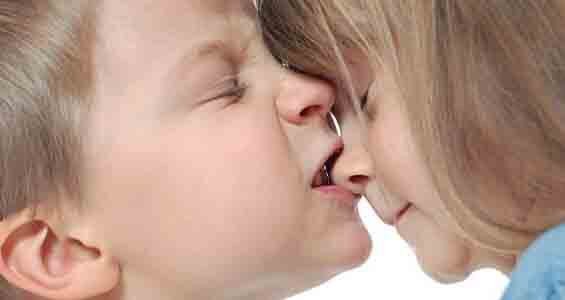



Biting is widespread in children. Babies teethe and react with bites, toddlers bite in the defiance phase. However, the reasons why a child bites can be very complex. In many cases, biting reflects a child’s overload and stress. Aggressive behavior is rare. But what to do if the child bites? We outline how to deal with a stop a child biting others or siblings in the daycare or in the playground. We also explain how to treat your child if he or she has been bitten.
Find more great parenting guides and advice in our Parents/Children section.
1. Reasons why children bite
Children bite other children in daycare or crawling groups, as well as siblings and parents. This occurs mainly in infancy. First of all, you need to realize that a toddler who bites is not necessarily aggressive. At this stage, children are very impulsive in their actions – the consequences they can rarely assess.
Children do not want to consciously inflict pain on their counterparts. In many situations, however, a child may not know how to express himself. By biting, a child develops only an effective means of expressing frustration, anger, helplessness or other emotions.
A good example of this is kindergarten. In daycare or crawling group, children are at the mercy of a group. Different characters meet here and a 3-year-old or 4-year-old child can be overwhelmed in such a situation.
How to deal with aggressive behaviour in children
1.1. Trigger for biting in the baby
The biting of a toddler can often be attributed to overwork or the defiance phase. The situation is different when a baby bites. When babies bite, it’s often because they get teeth.
You can see this by the fact that the baby bites around on everything that is within its reach. The pain of toothing can best be relieved by back pressure. So babies act very instinctively here.
Often, however, biting can also be a first reaction to unwanted change. In this case, for example, the child bites if he does not get his will. Strangering is also often a cause that leads to this undesirable behavior in a baby or toddler.
2. Stop a child biting: Tips for parents

Aggressive behavior is rarely the reason when the child bites.
When a toddler bites, there can be many causes. In the first steps to stop a child biting, keep a close eye on your child and pay attention to any abnormalities. It makes a difference whether it is just a defiant phase or another problem is behind the behaviour.
The first priority is that the child does not experience that the biting brings success. The message must be clear: biting is wrong.They must not tolerate the child being able to impose his will by biting.
You should take the following measures to stop a child biting:
If the child bites, you as a parent must react correctly. It is your job to teach the child that this behavior is undesirable.
- Aggressive behaviour must not succeed. Take care of the child who has been bitten immediately after the bite attack. In this way, you convey the message that biting does not attract attention. Comfort the bitten child and talk to him calmly.
- A quick reaction is crucial when the child bites. As soon as a bite occurs, take your child to the side and give him a moment to calm down. Have a conversation on an equal footing. Use a few words and be very clear in your statement. “No, we don’t bite other people – it hurts.” It is important that you show alternatives so that the child understands that there are other ways.
- Offer your child an alternative to biting if necessary. Such as a washcloth or a biting ring. A pillow has also proved its worth, which the child is allowed to hit if he or she is angry. All alternatives are allowed as long as no other child is harmed.
- The learning effect is very important. If the child has bitten siblings to get a toy, for example, you need to intervene directly. Take away the toy from the child and return it to the bitten child.
- As soon as the child bites, it is important to keep an eye on the behavior. Observe your child as well as possible and try to figure out when to bite attacks. In addition, you can also intervene in advance and avoid worse.
- If the child bites his siblings, you need to clarify the problem in the family. Sit down together at a table and talk about the behavior and the causes.
- You should never convict or overstate your child. Aggressive behavior such as biting affects adults very primitive and coarse. But mostly children don’t mean it really bad. They just don’t know how to deal with their emotions any other way. The child scratches and bites when he is desperate, angry or overwhelmed. As an adult, it is your job to provide your child with adequate alternatives.
- Understanding is the best medicine when the child bites. Make sure the child understands that the behavior is wrong. However, be sure that you still teach the child that they are loved and that you understand.
3. Your own child was bitten: care of the bite wound
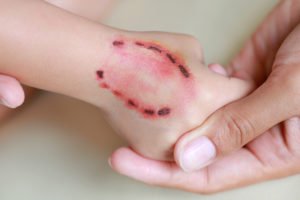
If the child has been bitten, you need to take care of the wound.
If your child has been bitten by another child, you should immediately take care of the bite wound and take care of it. Wash the area with water and cool if necessary.
As soon as there is swelling or redness, you should consult a doctor. There may have been transmission of bacteria or viruses. Then a professional treatment is necessary.
Tip: If the teeth have injured the skin, then it may be useful to disinfect the bite wound and, if necessary, treat it with a cream.
4. If you can’t stop a child biting
When a child bites, it is usually a phase. As language evolves, children learn other ways to express themselves and the tolerance for frustration increases. In combination with consistent intervention, the conspicuous behavior should improve.
However, if a 3-year-old or 4-year-old child is still biting and the situation is not improving, you may need to be active elsewhere. There are cases where children bite because they suffer from a disease such as ADHD. If in doubt, talk to a doctor about the problem and do not be afraid to seek help from outside.
