
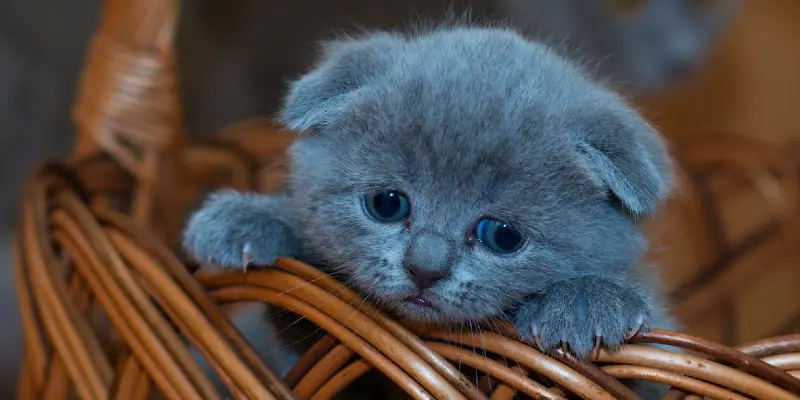



This guide outlines how to litter box train a kitten easily and safely, step by step.
Litter box training is an essential skill for a kitten to learn as they transition into a domestic environment. Successfully training your kitten not only ensures cleanliness but also fosters a healthy and positive relationship with your pet, so use the steps below for hot to potty train a kitten.
ALSO READ: How much to feed kittens and cats, and what to avoid
How to litter box train a kitten
This comprehensive guide will walk you through the step-by-step process of how to litter box train a kitten, addressing common challenges, and offering tips for a smooth and successful experience.
Litter box training involves teaching your kitten to use a designated area for eliminating waste. Kittens typically learn this behavior from their mother and littermates. However, when introducing them to your home, you’ll need to guide them in adopting this new behavior.
Steps for how to litter box train a kitten
1. Choose the Right Litter Box
Opt for a shallow, easily accessible litter box. You can start with a basic box and upgrade as your kitten grows. Avoid covered or hooded boxes initially, as they might feel confined to some kittens.
2. Select Appropriate Litter
Choose a clumping, unscented litter that is safe for kittens. Avoid using clay litters, which can be harmful if ingested.
3. Find the Right Location
Place the litter box in a quiet, low-traffic area of your home as a key step in how to litter box train a kitten, ensuring your kitten’s privacy. Avoid placing the box near their food and water bowls.
4. Gradual Introduction
Upon bringing your kitten home, place them in the litter box and let them explore. Gently scratch the litter with your finger to mimic the mother cat’s behavior.
5. Observe Their Behavior
Watch for signs that your kitten is about to eliminate, such as sniffing or circling.
If you notice these signs, gently place them in the litter box as this is a winning step in how to litter box train a kitten.
6. Positive Reinforcement
Praise and reward your kitten when they use the litter box successfully. This can be in the form of verbal praise, treats, or gentle petting.
7. Consistent Schedule
Establish a feeding schedule, and shortly after meals, place your kitten in the litter box. Kittens often need to eliminate after eating and this starts a schedule as an important part of how to litter box train a kitten
8. Clean the Litter Box Regularly
Kittens are more likely to use a clean litter box. Scoop waste daily and clean the entire box weekly.
9. Address Accidents Calmly
If your kitten has an accident outside the box, don’t scold them. Instead, clean the area thoroughly to remove any odor that might attract them back to the same spot.
10. Gradual Encouragement
As your kitten becomes accustomed to the litter box, gradually move it to the desired permanent location if needed. This should be done in small increments.
Common litter box training problems
1. Avoiding the Litter Box
If your kitten consistently avoids the litter box, consult a veterinarian to rule out any medical issues. Consider whether the litter box is too dirty or located in an area with high foot traffic or noise.
2. Digging Behavior
Some kittens have a natural instinct to dig excessively in the litter. This behavior might lead to litter being scattered around.Provide a mat under the litter box to catch excess litter and minimize mess.
3. Litter Aversion
If your kitten shows aversion to the chosen litter, experiment with different types to find one they prefer.
4. Transition to Covered Litter Box
If you wish to transition to a covered box, do so gradually. Place the cover on the box for short periods, gradually extending the time.
Tips for successful litter box training
- Patience is key: Every kitten learns at their own pace. Be patient and avoid becoming frustrated.
- Stay consistent: Stick to a routine and ensure everyone in your household follows the same rules.
- Keep it clean: A clean litter box is essential for your kitten’s comfort and success in using it.
- Praise and rewards: Positive reinforcement goes a long way in encouraging desired behavior.
- Avoid punishment: Never scold or punish your kitten for accidents. This can create anxiety and hinder the training process.
Conclusion
Litter box training is a fundamental aspect of welcoming a kitten into your home. By providing the right tools, consistent guidance, and a supportive environment, you can help your kitten develop proper elimination habits.
Remember that each kitten is unique, and while some might catch on quickly, others might need more time. With patience, understanding, and positive reinforcement, you’ll successfully guide your kitten to becoming a responsible and well-trained member of your household.
Photo by Vadim B
