


This guide outlines how to go gluten free — or wheat free — and lists the traps that contain hidden gluten.
You often read that a gluten-free diet only makes sense if you suffer from celiac disease. Otherwise they say you could save yourself the effort. It says that a gluten-free diet can also be harmful. This is not the case, and we explain why.
How to go gluten free or wheat free
In our article, we explain how to eat a gluten-free diet: Yes, but correctly, and why such a diet can be extremely healthy and useful if you know what to look out for.
Gluten: darling of the food industry
Gluten is a protein found in most grains. The gluten content in wheat is particularly high. Wheat has been bred for centuries in such a way that, firstly, the yield and secondly the gluten content is particularly high.
Because gluten is the magic drug of the food industry. It is used as a stabilizer, thickener, gelling agent, flavoring agent, flavoring agent and coloring agent. In particular, it ensures that bread and rolls are easy to slice and do not fall apart.
Therefore, gluten is processed in almost every industrially manufactured food product. And not only that: it can even be contained in medicines, toothpaste and cosmetic products. As a result, it’s not that easy to completely avoid gluten.
Many people associate a gluten-free diet with avoiding everything that tastes particularly good. But basically you don’t have to do without anything. The only important thing is to know which products contain gluten. These are now avoided and replaced with healthy (maybe) gluten-free products.
These foods contain gluten
- Types of grain: wheat, rye, oats, triticale, barley, spelt, green kernel, einkorn, emmer (two-grain), kamut and products from them (flour, meal, flakes, pearl barley, semolina, bran, wheat protein), bulgur (pre-cooked wheat), couscous, tempura flour (flour mixture that contains wheat), seitan, miso paste made from barley.
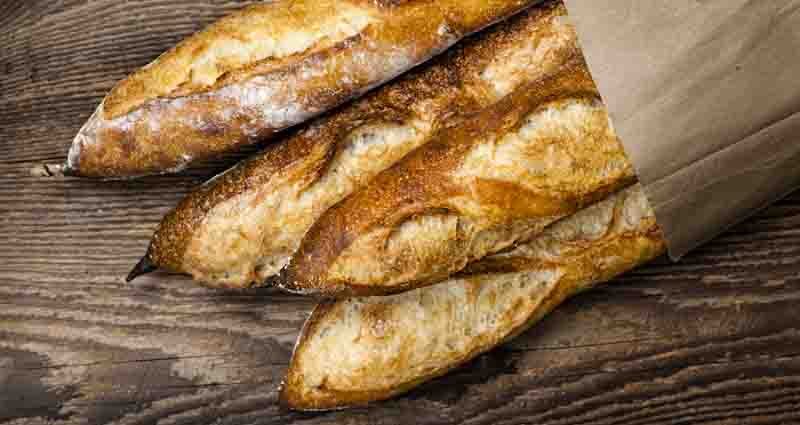
- Grain products containing gluten such as conventional baked goods and pasta, e.g. Bread, rolls, gingerbread, cakes, cookies, crackers, pasta and pizza
- Breaded foods such as Wiener Schnitzel, fish sticks, etc.
Beer and malt beer, bread drink, liqueurs, mulled wine, punch (if not declared gluten-free) - All foods that contain malt or baking extracts, as these mostly come from barley, such as: malt beer and other malt drinks, malt coffee or foods that contain malt extract
Hidden gluten
The next list shows products that MAY contain gluten. It would make sense here — at least if you really want or need to live a gluten-free lifestyle — if you check the list of ingredients before buying or (if you also have to exclude traces) contact the manufacturer.
Frozen and ready-made products such as fries, pizza, croquettes, etc.
Ready-made sauces such as salad dressings and seasoning sauces, ready-made soups, some brands of ketchup, fish sauce, etc.
Dairy products with fruit flavor (pudding, ice cream, etc.)
Smoked tofu and pickled or seasoned tofu
Sausage and cold cuts
Cream cheese preparations with herbs
Pudding, ice cream, nut nougat cream, chocolate
Snacks like chips, flips, etc.
Flavored drinks such as lemonade, tea or mixed coffee drinks
Spice mixtures
Toothpaste and cosmetic products such as lip balm
Flavors, colors, stabilizers, thickeners, gelling agents, flavor enhancers
Edible play dough
We have compiled further information about hidden sources of gluten for you here: Nine hidden sources of gluten
Gluten free foods
So that you don’t think that you can no longer eat anything at all, below is the positive list of all those products/foods that are gluten-free:
- Fruit and vegetables
- Non-gluten grains and pseudocereals such as amaranth, buckwheat , corn and polenta, rice, wild rice, millet, teff, quinoa
- Nuts and oilseeds without seasoning: almonds, linseeds, poppy seeds, sesame, sunflower seeds, pumpkin seeds, pine nuts etc.
- legumes
- Chestnuts and products made from them (e.g. chestnut flour, chestnut flakes)
- Gluten-free labeled bread as well as binders and flours: potato starch, corn starch, arrowroot starch, rice flour, locust bean gum, guar gum, kudzu , corn and potato flour, coconut flour , almond flour, chickpea flour, chestnut flour, plantain flour, tapioca starch, etc.
- Pasta marked gluten-free (e.g. made from rice flour, corn flour or legumes)
- Natural tofu (unseasoned and unmarinated)
- Vegetable oils, vinegar, tamari soy sauce , soy miso paste , rice
- Sweeteners such as coconut blossom sugar , yacon syrup , maple syrup , agave syrup, rice syrup, apple syrup, honey and table sugar
- Mineral water, pure fruit juices, tea (unflavored)
- Pure spices and herbs (be careful with spice blends)
- Eggs , milk and dairy products (without artificial flavors or colors)
- Meat, fish and seafood (natural, unbreaded, unseasoned, without other additives)
- Bean coffee, pure cocoa powder
- Wine, sweet cider, sparkling wine, prosecco, fruit spirits, rum, gin, etc.
- Beer: Only gluten-free labeled beer from which gluten has been removed before or after the brewing process. Corn and rice beers are naturally gluten-free.
Benefits of the gluten-free diet
If you now eat a gluten-free diet, you automatically have the advantage of protecting your body not only from gluten in the future, but also from all the chemical additives that are contained in most ready meals.
The easiest way to switch to a gluten-free diet is to start by cooking and baking everything freshly yourself at home. This means you always know exactly what’s really in your food and you’ll quickly get a feel for what you can and shouldn’t order away from home, i.e. in restaurants or hotels.
Gluten-free foods are not always healthy!
There are now entire shelves in supermarkets, drugstores and health food stores with gluten-free ready-made products such as pizza, bread, rolls and much more. But for starters, it is advisable to bake and cook yourself to get to know the alternative options.
In addition, the typical chemical food additives are still included. Yes, gluten-free products often contain even more additives because you have to somehow replace the sticky properties of gluten.
Gluten-free is not always gluten-free
Gluten-free labelled products can still contain gluten. According to Regulation number 41/2009, foods may be labeled “gluten-free” if they have a gluten content of a maximum of 20 mg/kg (= 20 ppm (ppm = parts per million)) – which of course could be problematic for very sensitive gluten intolerant people.
Practical tips for everyday life
If you no longer want to eat gluten, the first thing you should do is take a close look at your kitchen. (Note that most of the following tips apply particularly to people with celiac disease and people who already react to trace amounts of gluten.
If you “just” have a gluten intolerance, then traces or even small amounts of gluten generally don’t bother you.
Sort out foods containing gluten
Sort out everything that contains gluten from your food supplies and give it away to friends, neighbors or social institutions that collect food.
Separate pantry cupboards
If you live in a household with several people, set up separate pantries. One cupboard or drawer exclusively for gluten-free foods, the other for the rest of the family or other roommates.
If you want to avoid even tiny traces of gluten
Buy butter, margarine, jam etc. twice
It is best to buy foods such as butter, margarine, jam, honey, spreads, etc. that are used by you and your housemates in duplicate and mark them once for your sole use. If you have a zero tolerance limit for gluten, then all it takes is for a family member to take some of the butter with their knife and spread it on a normal wheat roll and then take some of the butter again.
Separate kitchen utensils
You should also separate kitchen utensils. Wooden boards and wooden spoons contain sufficient amounts of gluten in the smallest grooves and crevices that you cannot remove from them. Either purchase new boards or utensils made of stainless steel or plastic that you can easily clean in the dishwasher.
Separate food processors
In the future, you will no longer be able to use larger machines such as waffle irons, toasters, baking pans, mixers and hand mixers together. However, it is particularly important to purchase a new grain mill if you plan to grind your own flour.
A mill that has already been used cannot be cleaned in such a way that you can completely remove the gluten. Therefore, do not have flour ground in a health food store. The risk of contamination is far too great there.
Separate bread basket
Always keep the work surface clean and free of crumbs. Make sure that rolls and bread containing gluten are in a different bread basket than the gluten-free ones. Be careful not to use bread cutting knives together in quick succession for gluten-containing and gluten-free rolls.
Use baking paper in the oven
If you bake something in the oven, always place baking paper underneath your gluten-free baked goods. This will prevent the rack or baking tray from contaminating your baked goods.
Be careful with frying oil and cooking water
You may no longer use frying oil or water for cooking that has already come into contact with foods containing gluten for gluten-free foods.
Candy swap: children with celiac disease
If your child is affected and receives sweets containing gluten as a gift, they should come to you with it. You will then have a gluten-free candy box that your child can choose from in exchange for the gift.
Gluten-free holiday tips
Of course, vacation is also possible with a gluten-free diet. We have put together some tips below so that you can enjoy your holiday without any problems.
Gluten-free food on board
Many airlines allow you to order a gluten-free in-flight meal when booking. If this service is not offered, you will be responsible for your own on-board catering.
Gluten-free food at your holiday destination
Since not every holiday destination will have the usual gluten-free products, pack enough of them. This may require you to request that you take additional luggage with you when booking or to have additional baggage allowance approved.
Be sure to have this confirmed in writing so that there are no long discussions later at the check-in counter.
Medical certificate for the import of gluten-free products
A medical certificate is also recommended for the import of such products. Find out beforehand about the import regulations in your holiday country.
At the hotel
If you stay in a “normal” hotel, breakfast is usually offered as a buffet. If you bring your own bread or cereal and use originally packaged spreads and jams, having your own healthy breakfast won’t be a problem.
However, open jam bowls and cheese or cold cuts platters are certainly not completely gluten-free and should be avoided if you have a strong gluten sensitivity.
Talk to the chef in the restaurant
Before you order, ask the chef at the restaurant if he can prepare something free of gluten for you. Sometimes it is necessary to point out that your own, freshly cleaned wooden spoons, pots and pans must be used. However, it is much better to choose a restaurant that is familiar with wheat-free nutrition.
Be careful with soups, sauces and dressings
Always ask whether soups and sauces are homemade and fresh and what they are thickened with. When it comes to egg dishes, insist that they are actually made from freshly cracked eggs.
Caution is also advised when it comes to salad dressings and dressings. These are often prepared in advance and contain additives that contain gluten. Even if it’s just a splash of seasoning like soy sauce, this dressing is no longer free of gluten.
If in doubt, you can have vinegar and oil as well as salt and pepper brought to the table and season your salad yourself.
Celebrate gluten-free celebrations
If you receive a wedding invitation or an invitation to another celebration, inform the hosts in good time about your diet. You can offer to provide gluten-free cakes, bread or pastries yourself. This way you can take the burden off your hosts and enjoy the celebration without any worries.
If you attend a Christian mass, it is better not to take part in the Eucharist in the Catholic church or the Holy Communion in the Protestant church. Hosts and bread are generally made from wheat flour — this is what church law stipulates.
Although there are gluten-free wafers, these are not allowed to be distributed in the church and are therefore not actually called wafers, but are “normal wafers”.
There is usually a solution for those affected by celiac disease: the Catholic Church has an exception that allows people to take part in communion with wafers made with primary wheat starch that doesn’t contain gluten. In the Protestant church, those affected can take part with gluten-free bread. In both churches, however, clarification with the pastor is required beforehand.
