

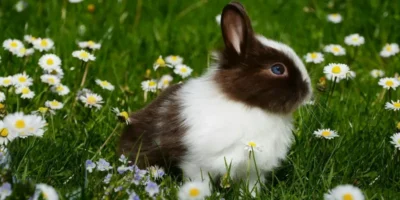


Just like dogs and cats, rodents are one of the pet world’s absolute favorites. Whether hamster or rabbit, guinea pig or chinchilla… the variety of different rodents means every pet lover can find the right pet. However, they all have one thing in common: they are only really happy with the right nutrition. There are special things to keep in mind, to feed hamsters and other rodents.
How to feed hamsters and other rodents correctly
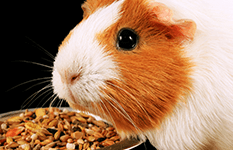
Rodents and rabbits are among the herbivores. Their digestive system specializes in raw fiber and fiber rich food. That does not mean that they all eat the same thing. If you want to be on the safe side when it comes to supplying your rodents, you will find out more about the original way of life of guinea pigs, hamsters, chinchillas and others.
Just the countries of origin and their different flora provide information. The guinea pigs from South America, for example, spend the whole day looking for food in their home country. Needless to say, they would like to constantly graze at home, instead of getting something to eat once a day.
Because the digestive tract of rodents and rabbits is rather intricate to really pull all the nutrients out of the feed, they are also more sensitive to digestion. A high-quality basic feed, which is available throughout the day, is therefore particularly important. Fresh, clean, untreated hay keeps the small animal stomach going.
In the wild, rodents are busy harvesting food for the winter already in autumn. Paying tribute to this natural behavior, pets should also be adequately fed during the cold season. Especially during the fall change of coat they need a lot of energy. Therefore, learn how to feed hamsters and other rodents to offer your rodent a varied diet so that he can come through the winter alive and well.
How to get rid of mice in the home
Compound feed, straw and hay – the basis of small animal nutrition
Mixed or colored food from grain, corn kernels and flakes is a great occupation for the animals, as many a rodent specifically selects his favorite food among the various ingredients. The small animals are not so dissimilar, but among the rodents the fat-containing and thus tastier cereal grains such as oats, wheat and barley are also very popular.
The result: The animal is busy, because it has to ruminate the food, but it may also start fat. Raw fiber-rich green fodder and hay, on the other hand, are very low in fat and low in energy.
Rabbits, hamsters and co. Must therefore eat a lot of them to get full. They are busy, do not get bored and use their teeth neatly while chewing. In this regard, you can also untreated branches. This quenches and provides variety.
It is therefore advisable to put together a balanced range of feed from all these basic components for your pets and to observe exactly what tastes best and how the animal behaves.
How to care for a pet amphibian
Fruits and vegetables – treat for all rodents
Of course, nothing goes without a fresh diet on the herbivore menu. 20 percent of the food should therefore consist of fresh food or mainly from vegetables. Carrot, spinach, lettuce, cucumber and herbs such as dandelion taste especially good for small rodents. But even a piece of apple is always great.
In addition, these foods contribute vitamins and liquids to the menu. However, as with us humans: Healthy fruits and vegetables should have season and best sourced from the farmers, as it is otherwise contaminated with nitrate and other pollutants. After all, the goal is to enjoy the healthy little roommate for a long time. With cabbage and lettuce, it should also be noted that both varieties are generally healthy vegetables; However, if your pet is not used to it, it can lead to digestive problems.
Dry food and feed pellets for small animals
Whether rabbits, guinea pigs, mice or chinchillas – there are special pellets for every rodent and munchler, which already contain all the important nutrients. Although they provide the animal with all necessaries of life, but they are quickly nibbled and satisfy the innate nage need only poorly. In addition, many times a rodent fat attaches, because hamster, rabbit or mouse, the fast enjoyment does not move great. Also, the teeth are often not stressed enough in this type of food, and should be when you want to feed hamsters and other rodents.
Pellets may be an easy way to ensure the essential nutrient supply of your favorite. In case of time constraints, during relocations or when friends and family take care of your pets (for example, during your holiday), pellets can be used temporarily. In the long run, however, you will never be able to fully satisfy the culinary desires and needs of your favorite. Hamsters, for example, need a lot of protein, for example in the form of mealworms or fresh protein. Chinchillas, on the other hand, enjoy raisins and dried figs and the guinea pig should be given vitamins in addition to the food.
Vitamins for guinea pigs
The small guinea pig body should be specifically supported in the cold, wet season specifically with vitamins. Like a human being, the guinea pig, for example, is unable to independently produce and store vitamin C. For a sufficient supply of vitamins, minerals and trace elements is usually a balanced, appropriate diet. Rich sources of vitamin C include fresh fruits and green fodder. However, just this vitamin is very sensitive to air contact, so that its content decreases during storage. Vitamin C protects the mucous membranes and strengthens the defense of the rodents.
Other vitamins are important for the health of your guinea pig. Vitamin A is one of the most important vitamins for small mammals, as it is necessary for building and maintaining the functions of the skin and mucous membranes, the genital, respiratory and digestive tracts. Only animal feeds provide vitamin A. A precursor, so-called carotenoids (provitamin A, ß-carotene), but is contained in all green parts of plants and many fruits. From this, the animal organism can produce vitamin A. A varied range of fresh food also provides the rodents with vitamin D and E.
The B vitamins are – unlike the aforementioned – to the water-soluble vitamins. This means that they can not be stored and therefore need to be continuously ingested through food. Vitamin B1 is found in the germination of grains, yeasts, nuts and legumes. It is important for the carbohydrate metabolism, the function of the gastrointestinal tract and the nervous system. Wheat germ, yeast and green food also contain vitamin B2 and B6. Both vitamins have beneficial effects on digestion, blood formation, growth and immune defense.
With appropriate vitamin preparations for guinea pigs you can easily prevent a vitamin deficiency. Be sure to get advice, because the right amount is important. A permanent excess of certain vitamins is just as harmful as a deficiency! Less is actually more sometimes; the best for your rodent but always just as good enough.
